If you already build with AI, your case studies are already written. You just haven't seen them yet. This is the workflow that turned every product I ship into a portfolio that updates on its own.
The stack: Claude builds and documents, and instead of Vercel I chose Cloudflare Workers. Free hosting, one command to deploy, full control over the code. The whole story is below, including what broke along the way.
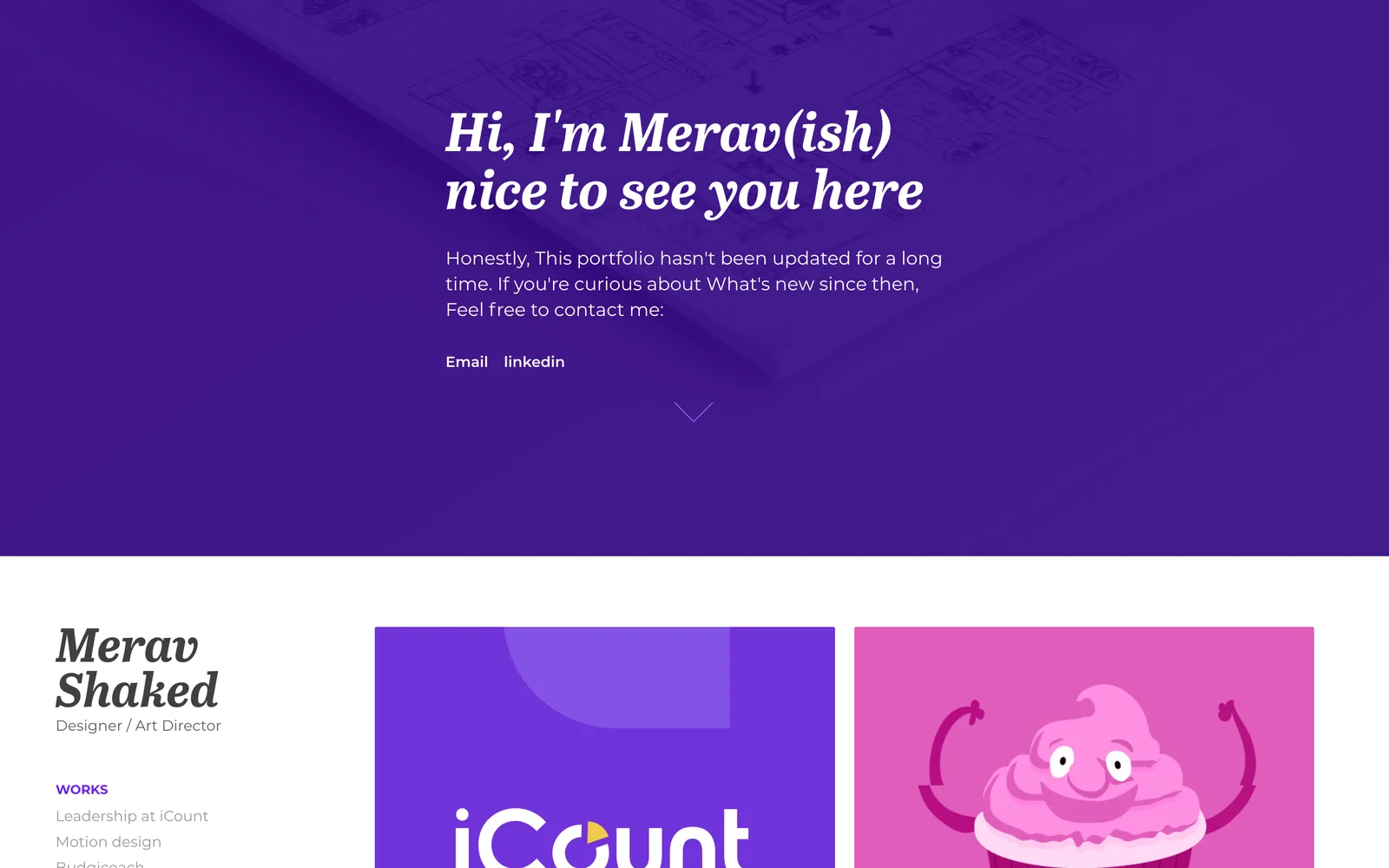
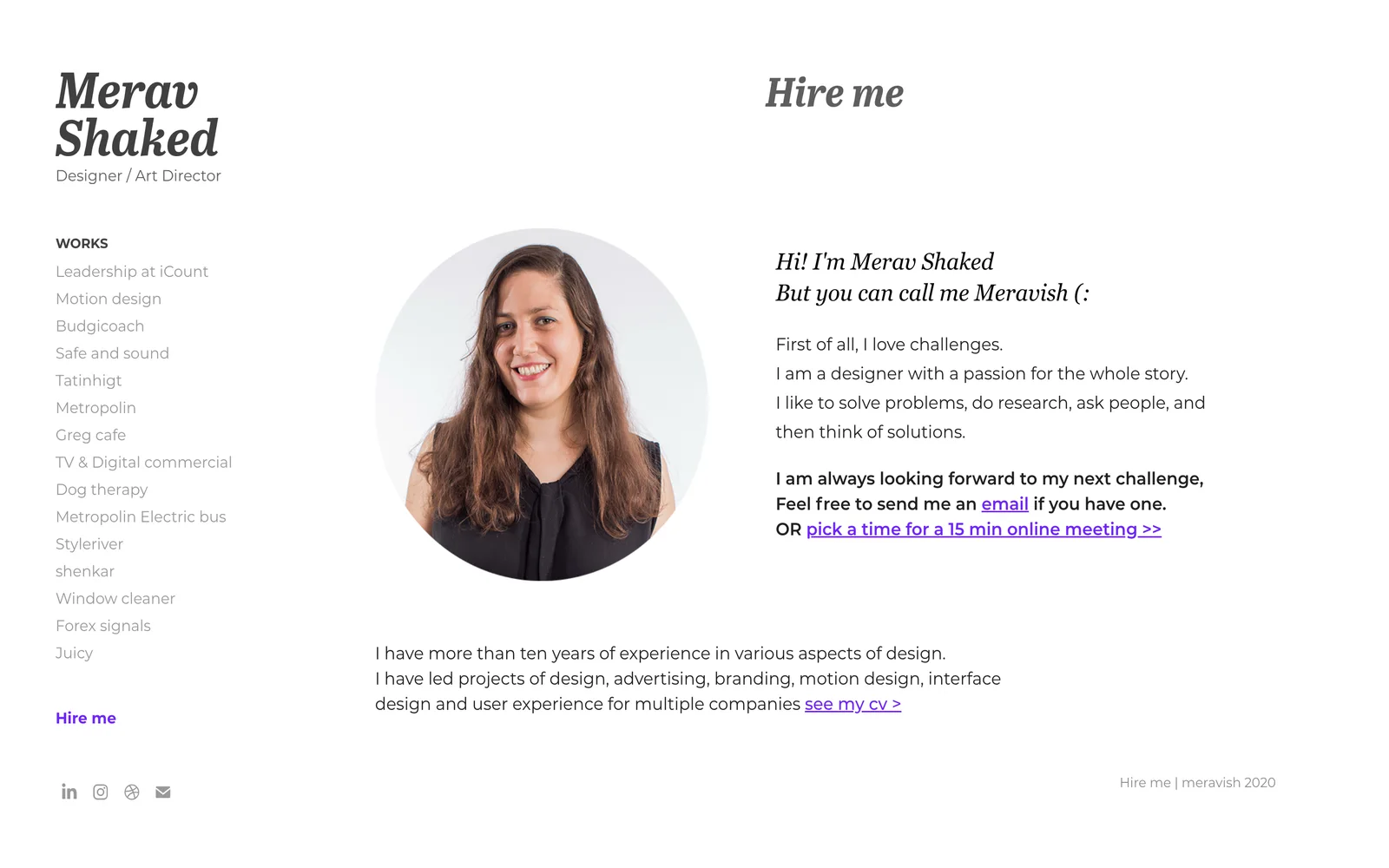
My site lived on Adobe Portfolio. It worked once. But five years of updating hesitation meant my best work wasn't there. The subscription renewed monthly. The site didn't move.
The portfolio was always a separate task. A thing I'd build after the work, when I found the time, which was never. That's the trap: the portfolio sits downstream of the work, so it's always last in line and always out of date.
Adobe Portfolio, 2020. Five years without a single update.
Adobe Portfolio, last updated 2020
Keeping a portfolio updated was a genuine headache. I couldn't believe how quickly I felt in control of it. Today, building a case study is a completely different story.
I was learning to work with AI agents, not just chat with them. The portfolio was the first real project. The move that changed everything wasn't a design decision, it was deciding to own the raw material. The first instruction:
"Download my entire Adobe Portfolio site, all pages, all images, all assets, into a clean organized folder on my computer."
Within minutes: 19 projects, hundreds of images, all media, sitting in a structured folder on my machine. I had ownership of my own work for the first time.
Then: the agent studied the existing site, extracted the design system, and rebuilt it as pure static HTML/CSS. No CMS, no subscriptions, no dependencies.
The most interesting part wasn't the design. It was the workflow. We built a skill file: a living document Claude reads at the start of every session. It contains the full file structure, deploy command, design system, and every lesson learned along the way.
This means each session picks up exactly where the last ended. Say "add a case study for project X" and it knows what template to use, where to put the media, what to update on the homepage. The agent knows every project we've built together since I started working with AI. Not the archive, but everything new we're creating together.
Every change runs locally first at localhost:8000. I review it. Once I approve, a single command deploys to production. Nothing goes live without my sign-off.
This is the engine. Because the agent is there during the work, it already knows the story: what I tried, what I chose, what I threw away. The case study isn't written after the fact. It's extracted from what already happened.
Every tool in my workflow is connected. Figma reads my design decisions and turns them into code. Claude reads every file. Cloudflare deploys in seconds.
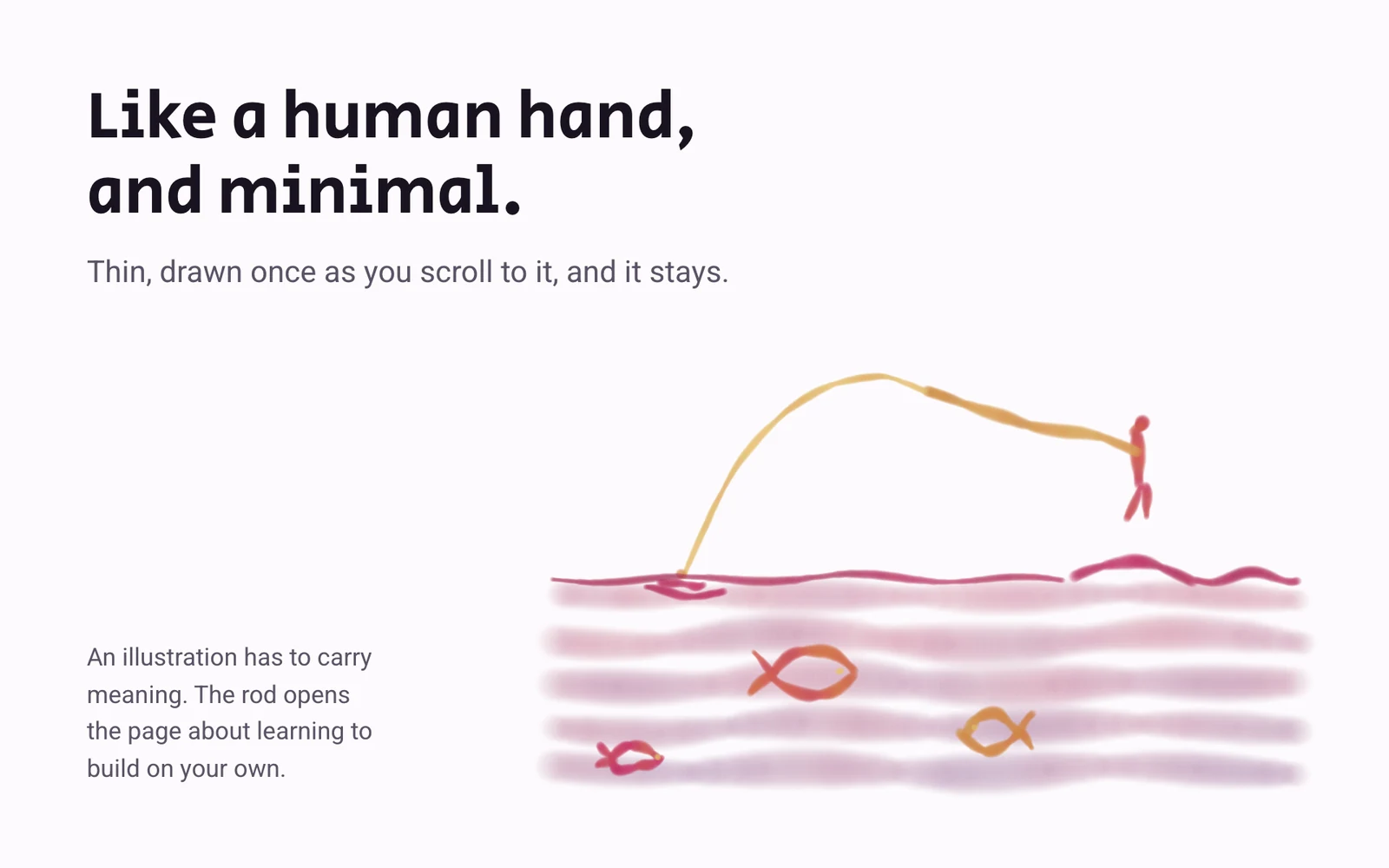
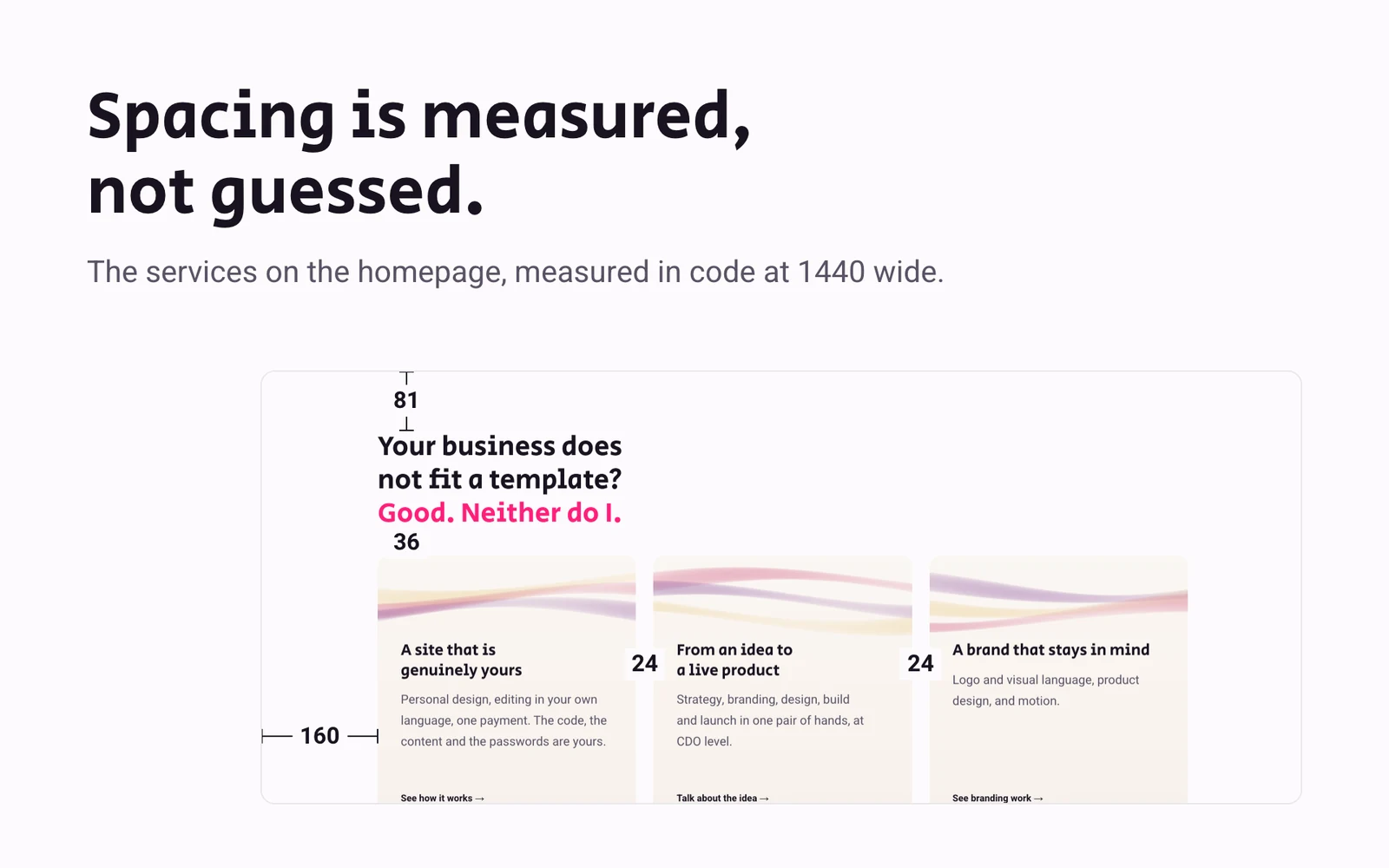
Every illustration on this site is a canvas scene written in code, not a file exported from Figma. Scroll to one and it starts drawing itself: the skeleton first, then the detail, and then it stops and stays. Anyone who asked for less motion gets the finished drawing straight away.
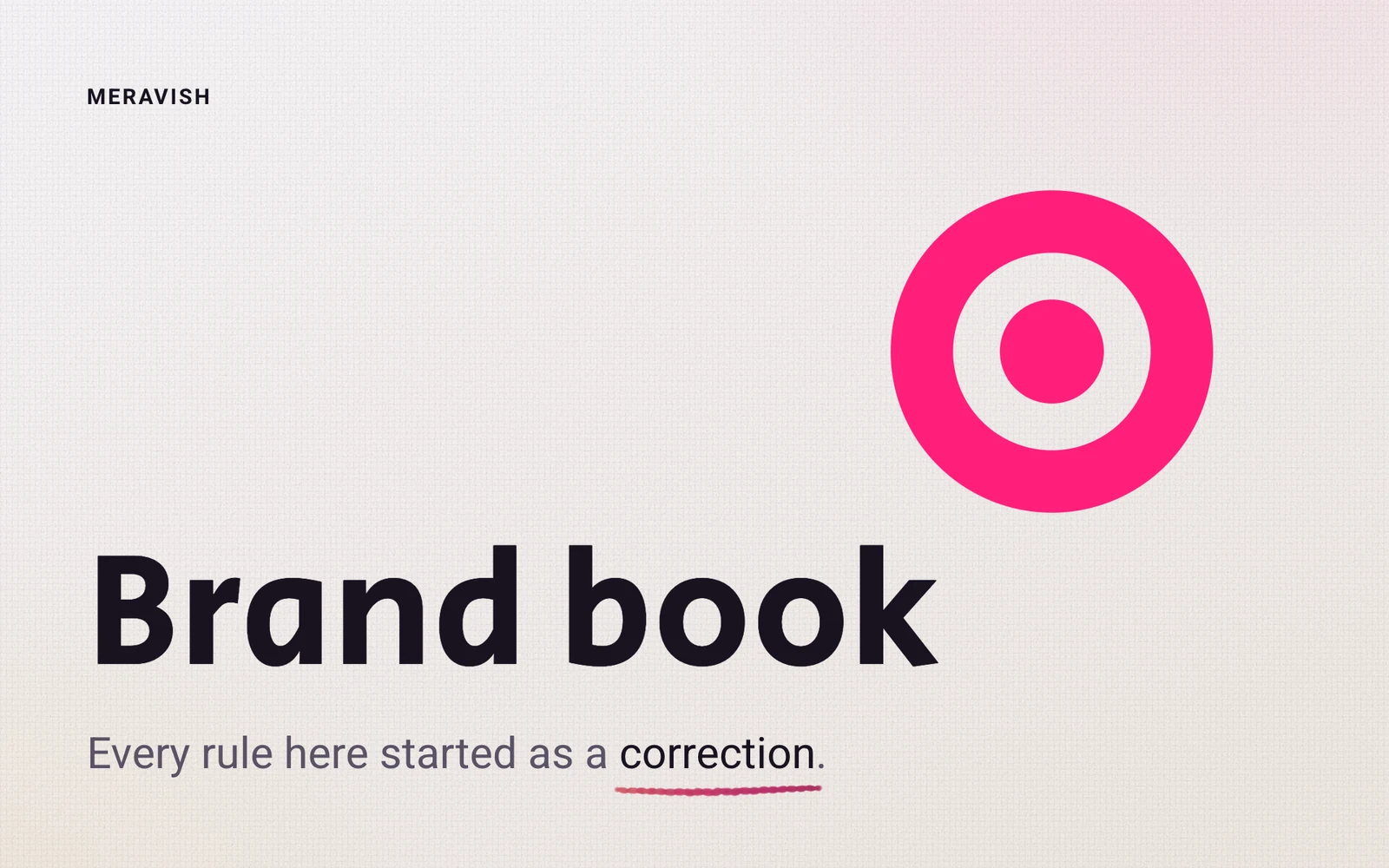
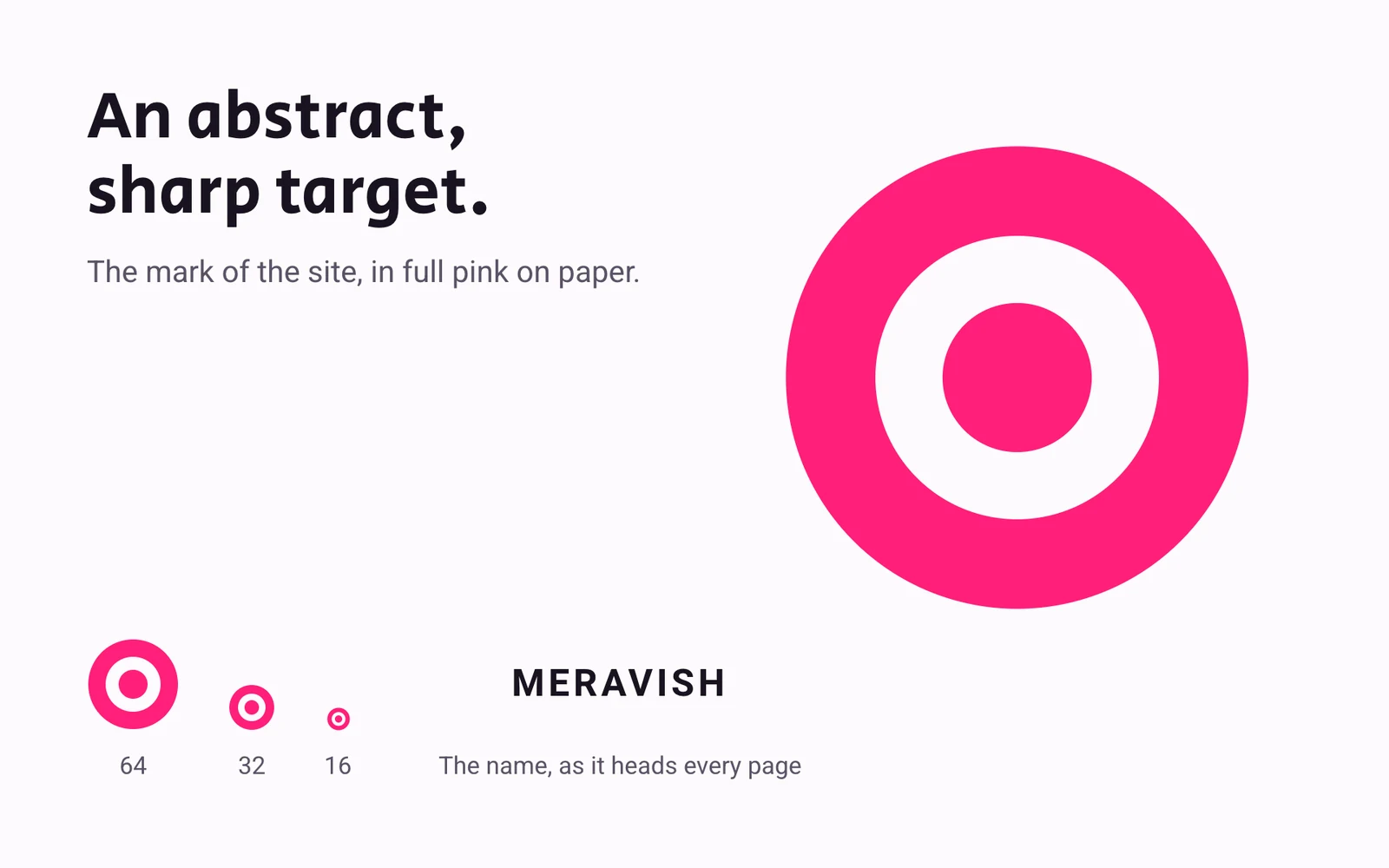
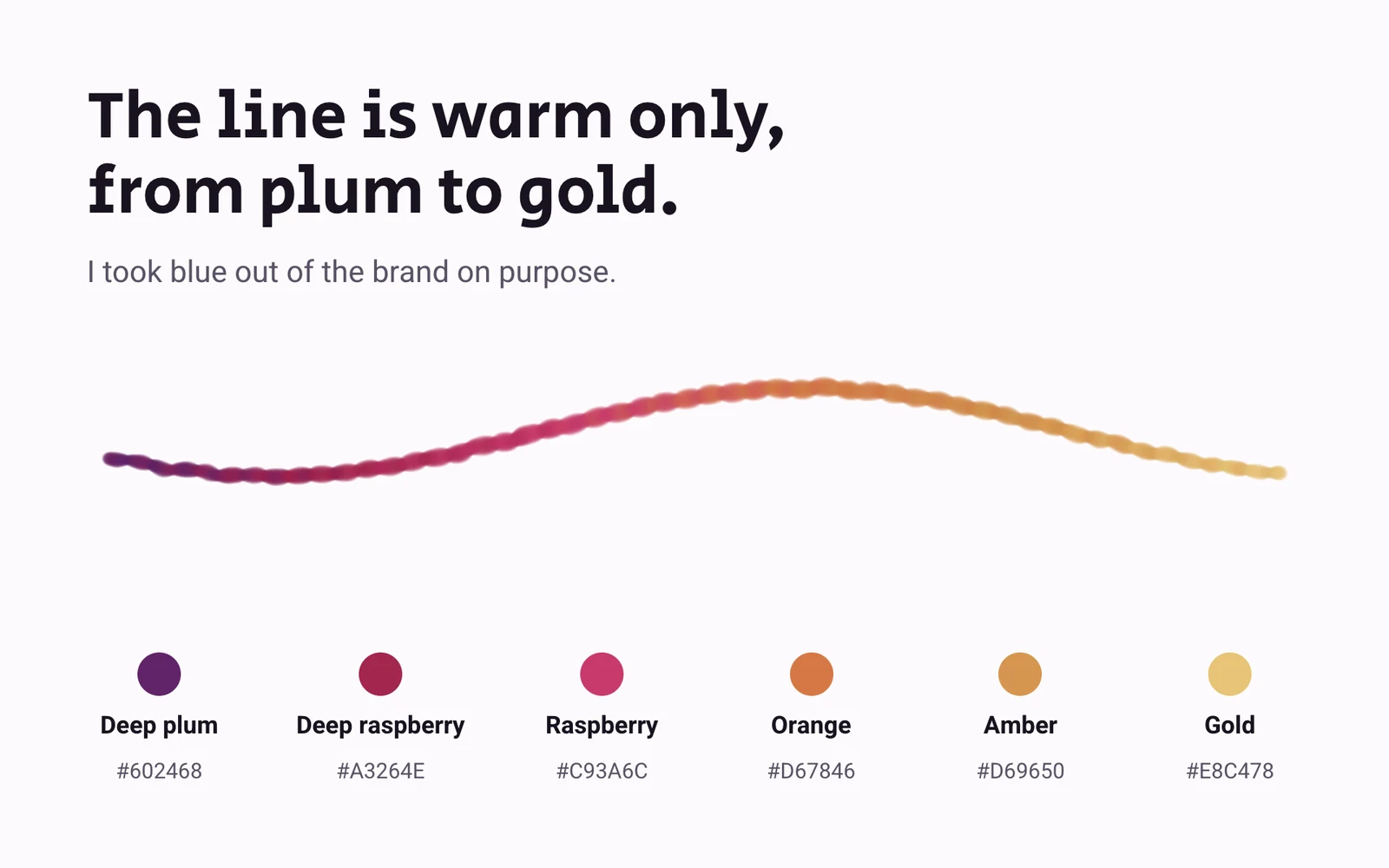
The brush is a single soft dab smeared along the line, with a small tremor and shifting pressure, so a stroke looks drawn rather than computed. The palette is a warm sunrise ramp only, deep plum through raspberry and orange into gold. I took the blue out of the brand on purpose. What is left is exactly one pink accent per scene, always on the moment something goes live.
This stopped being decoration a while ago. It is the site's visual language now, and it is part of the work this page is about: the illustrations were built in the same loop as everything else, in conversation with the agent, straight into code.
Every real path from idea to a live product has an unglamorous middle. The part the demo videos skip. Here's mine, and it's exactly the kind of moment the agent captures so I never have to relive it from memory.
Claude had originally recommended Netlify as a free hosting solution and helped configure the full setup. The entire site went live that same evening. Within two days, it was suspended for exceeding bandwidth limits. That was the push: time to move to infrastructure we actually own.
We tried Vercel next. The CLI was at version 52 and had authentication issues we couldn't resolve. Another dead end.
We moved to Cloudflare Workers. Setup was smooth, the worker deployed, DNS pointed correctly. And yet meravish.com kept showing Netlify's error page. Two hours of cache-flushing, propagation checks, log reading. Everything looked correct. Nothing worked.
Root cause: Netlify uses "Cloudflare for SaaS" as their CDN backbone. They had a custom hostname record for meravish.com sitting inside Cloudflare's network that we couldn't see, intercepting all traffic before our Worker could respond. Moving DNS wasn't enough. Removing the domain from Netlify settings wasn't enough.
Deleting the Netlify account entirely released the routing lock. Thirty seconds later, the site loaded.
Netlify's "Cloudflare for SaaS" custom hostnames persist past DNS changes. If you've ever hosted a domain on Netlify, their CDN holds a routing claim until the account is deleted, not just the domain removed.
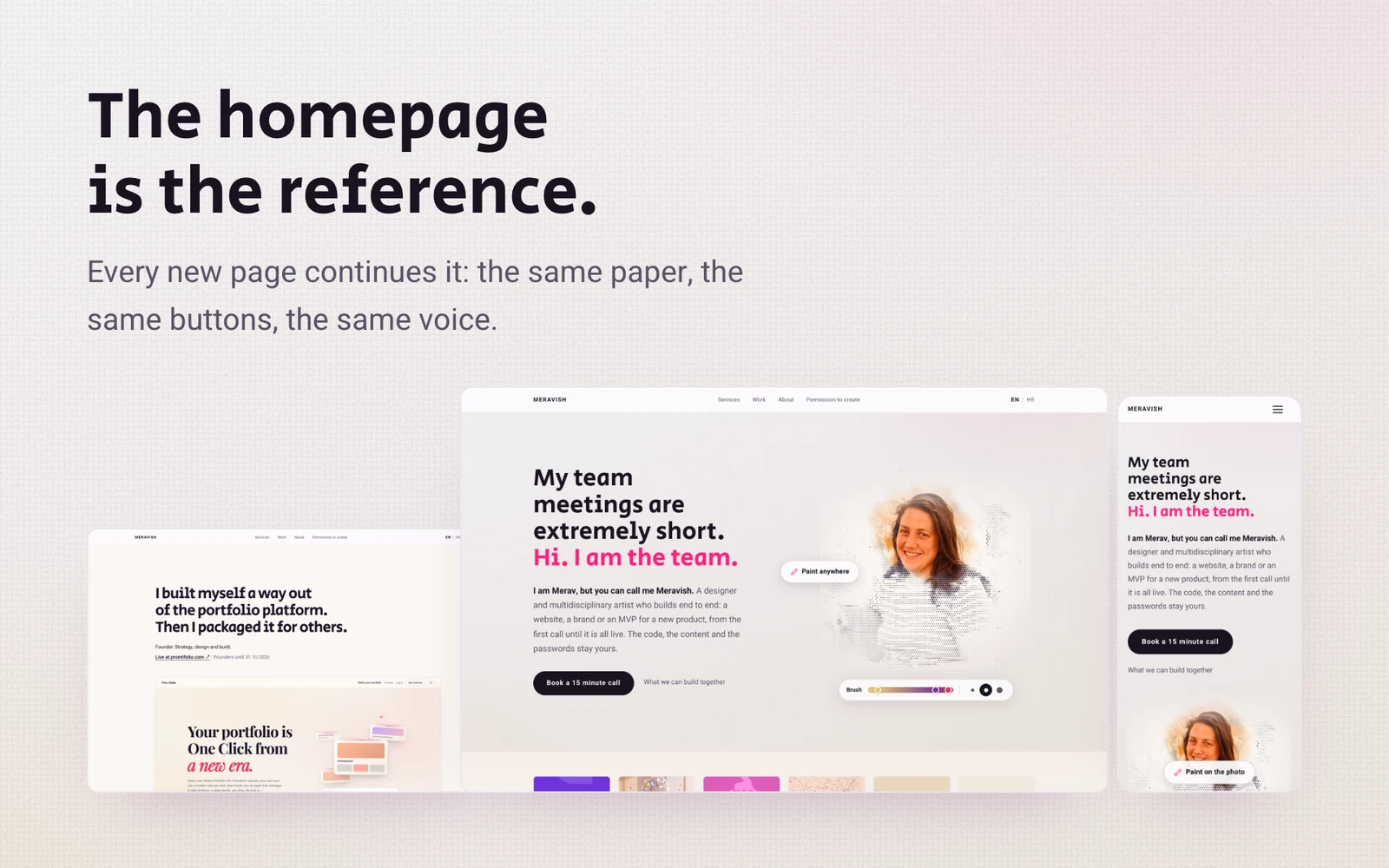
meravish.com now runs on Cloudflare Workers (global CDN, free tier, zero config). A change takes one command. A new case study takes a conversation. The site is a plain-HTML folder on my machine, backed up, agent-managed, fully owned.
But the real shift is upstream. I stopped treating the portfolio as a task. Now I build products, and the case study falls out of the workflow. Every decision, every dead end, every prompt is already documented, because the agent was there when it happened. The portfolio is a side effect of the work, not a project after it.
This isn't about AI replacing design. It's about AI removing the distance between a designer and her own tools. I make every decision. Claude removes every obstacle.
The rebuild was just evening one. Since then the same loop runs on everything I make. Six products and sites went live this way during 2026, and the seventh is in build right now. Each one ships from idea to live URL in a session, and each one leaves a trail the agent turns into a case study. The portfolio isn't something I maintain anymore. It's what's left behind every time I build.
The most valuable skill in the AI era isn't knowing how to prompt. It's knowing what to ask for and having the taste to know when it's right. Promtfolio
An AI agent that keeps your portfolio alive. Structure, code, deploy, SEO. You stay Art Director.