Built a site with AI, and it looks like AI? Now I make it look like you.

A site from Lovable, Base44, Claude Code or any other tool usually comes out of the same defaults. I am a designer who also builds: I create a design language for the site from your business, and apply it to the code that already exists. I can do it for you, or you can do it yourself, together with me.

A page from the meravish.com brand book: paper, ink and one coral, and the share of each as measured on the homepage
A page from the brand book of this site, built with AI on a language I made first. See the full book

Why does it look like AI?

AI tools build fast, and decide on their own everything nobody asked them for. Without a design language to work from, they return to the same defaults, and sites for very different businesses come out alike.

There is a name for it: AI Slop. It does not mean the site is bad, only that it has no personality yet.

A design language of your own.
Two ways to get there.

I design and implement

  1. A 15 minute callYou show me a link to the site, and tell me what the business is and who it speaks to.
  2. A design languageA leading colour, typefaces, spacing, shapes and voice, all drawn from what the business says.
  3. Work on the existing codeI apply it to the project that is already built, and you see and approve it along the way.

Design and implementation start after a fit check on the project, with a quote based on the scope and the access to the project.

"Merav is the Michael Jordan of graphic design, art and motion. Work with her once and you will not be able to stop."

Adi Barazany · Creative and social expert, lecturer, founder

Send a message about this way →

A page from the meravish.com brand book: the homepage is the reference, and every new page continues the same paper, buttons and voice
One language, and every new page continues it. From the brand book of this site. How it was built

You fix it yourself, in a hackathon with me

  1. First the languageWhat the business says, to whom, and how it should feel.
  2. Then the siteYour hands on the keyboard, and I tell you what to sharpen.
  3. Then on your ownYou leave with the language, and with the ability to lead the AI by it on the next page too.
Send a message about this way →
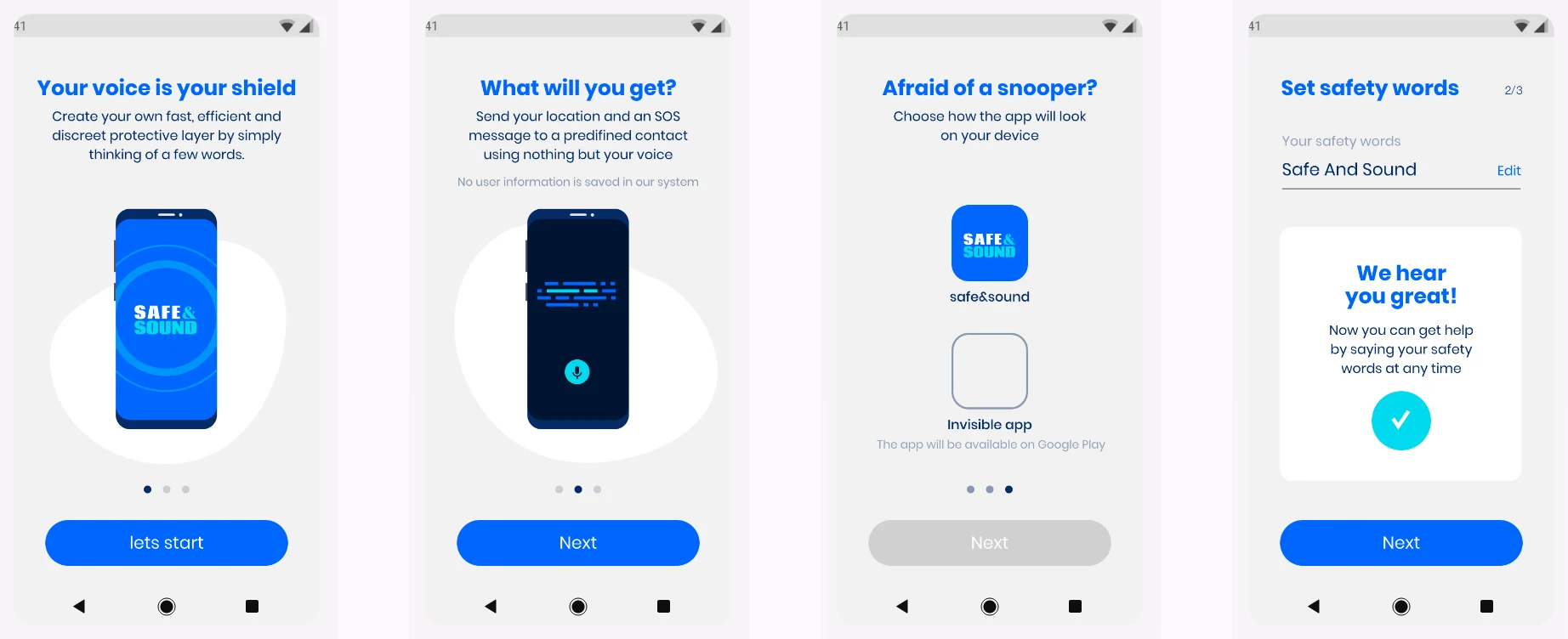
Four screens from the Safe & Sound app: what the protection does, choosing the code words, and the confirmation that it is listening
Safe & Sound was born in a hackathon, and these are the screens that came out of it. A hackathon with me starts from the same place. How it was built

Two products I built with AI, each in a language of its own

I designed and built both in Lovable. In HaMerhav, for example, the visual language was set before the first component: soft sage green, warm earth tones and a cream background that reads like paper, rooted in the identity of Pardes Hanna.

All work →

Questions

Why do all sites built with AI look the same?

Because AI tools decide on their own everything you did not ask for: colour, typeface, spacing and shape. Without other instructions they return to the same defaults, so a clinic and a startup end up with similar sites. What is missing is not another prompt, but a visual language to work from.

What is "AI Slop" on websites, and how do you spot it?

AI Slop is the name for content made with AI with no human decision behind it. On a website you spot it by the same signs: a purple gradient, three cards with a small icon, rounded corners everywhere, and a headline that fits any business. A simple test: hide the logo. If the site could belong to anyone, it is missing a design language.

Can you improve the design of a Lovable or Base44 site without rebuilding it?

Yes, when there is access to the project. It is work on the existing code: the design language goes into the project that is already built, and the content, pages and connections stay where they are. In the fit call we check together what access there is to the project, because every tool handles this a little differently.

What is the difference between a nice template and a design language?

A template is a design someone prepared in advance for everyone, and you fit your business into it. A design language, or Design System, comes from the business itself: what it says, to whom, and how it should feel. Colour, typefaces, spacing, shapes and voice follow from that, and every new page continues them. A template ends with its last page. A language keeps working on the next one.

Who in Israel designs sites built with AI and works directly on the code?

I do, Merav Shaked. I have been a designer for more than 15 years, in branding, product and motion, and for four years I was Chief Design Officer at iCount. Today I also build myself, so I design and implement with the same hand, on the code that already exists. I work remotely, in English or Hebrew, anywhere in the world.

What do I get in the end, and what stays with me?

A site that looks like your business, and a design language written into the project: colours, typefaces, spacing and components, so whatever is built later keeps speaking it. Everything stays with you: the code, the content and the passwords. You can continue alone, with me, or with any other designer or developer.

How do you build a design language before letting AI build?

Start from the business, not the tool: who it speaks to, what it promises, and how it should feel. From there, make a few clear decisions: one leading colour, two typefaces, a spacing rhythm, a button shape and a voice. Write them as rules the AI reads every time, and only then build. That is how I built HaMerhav: first a visual language from the identity of Pardes Hanna, then the code. And this site too, whose brand book is open in the case study.

How much does it cost?

It depends on the scope and the way you choose, so after a short call I will send a written quote.

Something on your mind? Let us talk.

Fifteen minutes to explain what you need, and to see whether I can help. No deck and no commitment.